Safety in medical facilities is a top priority, affecting both patients and staff every day. In environments where precision and care are vital, ensuring protection against potential hazards is essential. This is where X-ray glass comes into the picture. By providing robust shielding and maintaining clear visibility, it plays an essential role in creating a secure setting.
X-ray glass is not only about separating space; it’s about offering a barrier that can handle the specific demands of a medical environment. This special glass is a clever blend of safety and functionality, ensuring that harmful radiation is effectively blocked while allowing medical professionals to work without obstruction. Its significance cannot be overemphasized, providing a necessary layer of safety that contributes to the smooth operation of medical facilities.
What is X-Ray Glass?
Understanding X-ray glass starts with knowing its purpose: to protect and facilitate the work done within medical settings. Essentially, X-ray glass is a specialized type of glass designed to block or absorb harmful radiation. This makes it crucial in places like hospitals and clinics where X-ray machines are in use, ensuring that radiation does not stray beyond intended areas.
The process of making X-ray glass involves combining lead with glass to form a transparent yet powerful barrier. Lead is known for its ability to shield against radiation, and when fused with glass, it retains clarity while providing a protective barrier. This combination ensures that the glass meets both safety and visibility requirements, making it ideal for environments where patient observation is necessary.
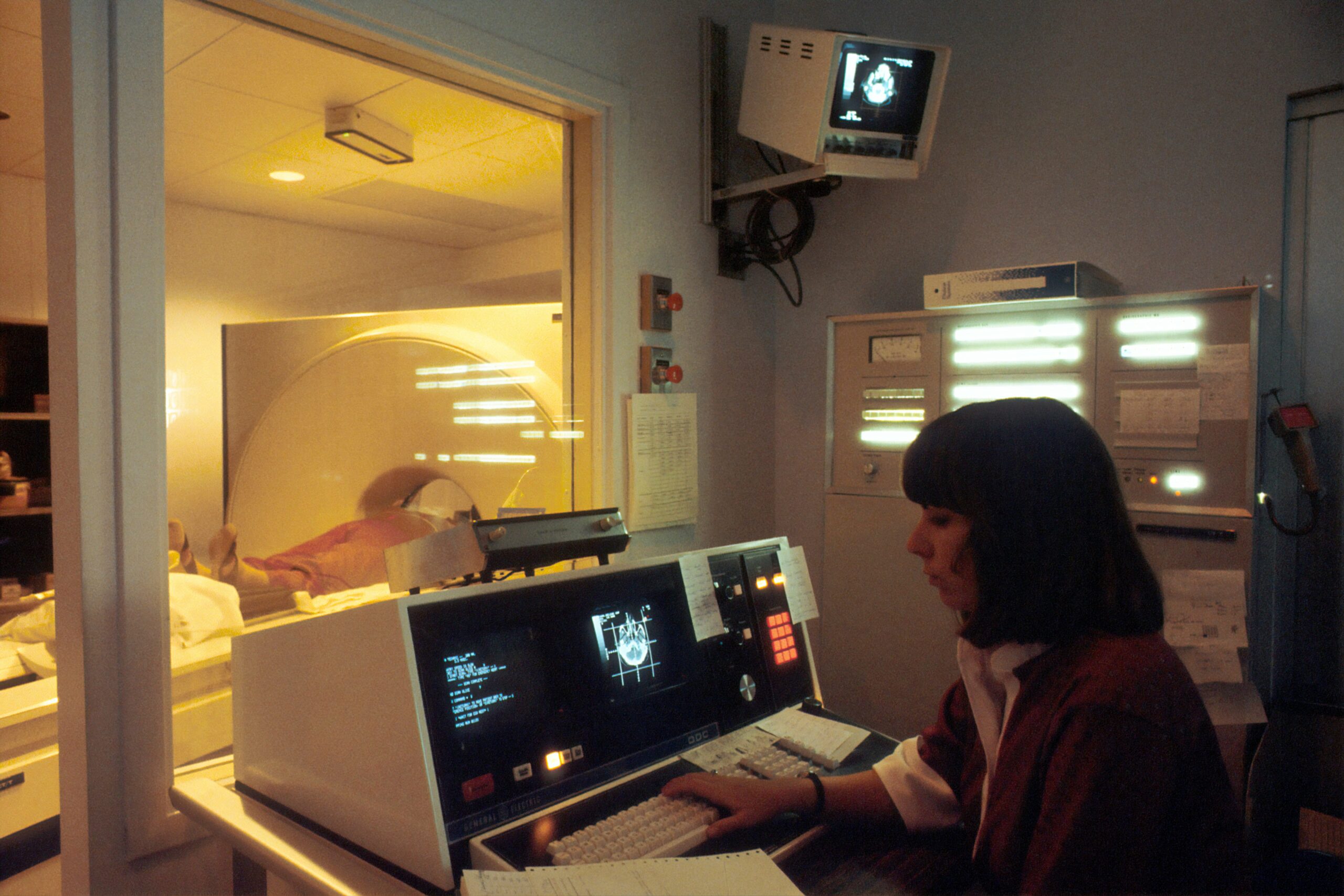
In real-world applications, consider a standard X-ray room in a hospital. Here, X-ray glass can separate the technician from the patient, allowing the technician to perform their duties safely while still observing the patient’s condition. This setup not only protects the staff but also adds to the overall safety of the facility by preventing radiation exposure to areas beyond the patient’s specific location. This thoughtful integration of safety and practicality illustrates how indispensable X-ray glass is in medical practice today.
The Role of X-Ray Glass in Patient Safety
X-ray glass plays a key part in keeping patients safe during medical procedures involving radiation. By acting as a shield, it prevents exposure to harmful X-ray waves, ensuring that radiation only reaches intended targets. Imagine a hospital where patients need regular X-ray exams; the presence of X-ray glass means that others, perhaps waiting in adjacent areas, remain unaffected by scatter radiation.
Here’s how it typically works:
– Partitioning: X-ray glass can separate different sections of an X-ray room, preventing any unintended exposure.
– Observation Windows: It provides clear views between control rooms and procedure rooms, allowing technicians to maintain visual oversight without risking exposure.
– Flexibility: Found in windows, doors, and partitions, it offers various ways to incorporate it into hospital architecture, fitting seamlessly into existing layouts.
Enhancing Medical Staff Safety with X-Ray Glass
Protecting the medical team is equally important since they perform X-ray procedures frequently. X-ray glass ensures staff can execute their responsibilities without health risks. In a busy radiology department, safe design is non-negotiable. Imagine a scenario where medical staff can monitor patients through clear panels without compromising their safety. X-ray glass offers just that, letting technicians perform procedures with confidence.
Its presence means:
– Controlled Exposure: Staff can work nearby without direct exposure, thanks to strategic placement.
– Clear Communication: Employees can communicate with patients through visual contact, improving patient comfort and staff efficiency.
– Versatile Use: It is adaptable for both permanent installations and temporary structures, like mobile X-ray units.
Durability and Long-Term Benefits of X-Ray Glass
Durability sets X-ray glass apart. Its robust nature makes it a wise long-term investment for medical facilities. Over time, its high resistance to wear means it stands up to repeated use, reducing the need for frequent replacements. For example, an X-ray room equipped with this glass can remain in top condition longer than one with standard materials, saving on maintenance costs.
The benefits include:
– Longevity: With proper care, it lasts, offering reliable protection for years.
– Cost Efficiency: While the initial investment might seem higher, the reduced need for repair and replacement delivers savings over time.
– Improved Safety: Continuing reliability means continued protection, ensuring staff and patient safety without interruption.
Safeguarding Medical Facilities with X-Ray Glass
X-ray glass clearly plays a vital role in maintaining safe and effective medical facilities. By integrating it into hospital designs, both patients and healthcare workers receive the protection they need. Its durability, coupled with strategic safety features, makes it a smart choice for any medical environment looking to enhance safety measures. Investing in quality X-ray glass reflects a commitment to health and safety, creating environments where everyone can feel secure.
To learn how X-ray glass can support a safer and more efficient workspace for your medical team and patients, connect with Liberty Shielding and explore solutions that fit your facility’s needs.